

Is Bariatric Surgery Safe? Understanding the Benefits, Risks and Recovery
For people living with severe obesity, losing weight through diet and exercise alone can sometimes be extremely difficult. When excess weight begins affecting everyday life or contributes to conditions such as type 2 diabetes, high blood pressure, sleep apnoea, or joint problems, bariatric surgery may be considered as part of a comprehensive weight-management plan.
But one question is common among patients: Is bariatric surgery safe?
Like any major surgery, bariatric procedures involve potential risks. However, with appropriate patient selection, experienced surgical care, proper preparation, and long-term follow-up, bariatric surgery can be a safe and effective treatment option for eligible patients.
What Is Bariatric Surgery?
Bariatric surgery refers to a group of procedures designed to help people with obesity achieve significant and sustained weight loss.
Common procedures include sleeve gastrectomy and gastric bypass. These operations work in different ways. Some reduce the size of the stomach, while others also alter the digestive pathway. The changes can help patients feel full sooner, reduce food intake, and in some procedures influence hormones involved in appetite and metabolism.
Bariatric surgery is not simply a cosmetic procedure. It is a medical treatment that should be considered after assessing a patient’s overall health, weight history, lifestyle, and obesity-related conditions.
Who May Benefit From Bariatric Surgery?
Bariatric surgery may be considered for people with obesity who have not achieved adequate or sustainable weight loss through conventional approaches and who meet appropriate medical criteria.
The decision depends on factors such as:
 Body mass index and overall weight
- Obesity-related medical conditions
- Previous attempts at weight management
- General health and surgical fitness
- Eating and lifestyle patterns
- Ability to follow long-term dietary and medical recommendations
A detailed evaluation is essential before deciding whether surgery is appropriate.
Is Bariatric Surgery Safe?
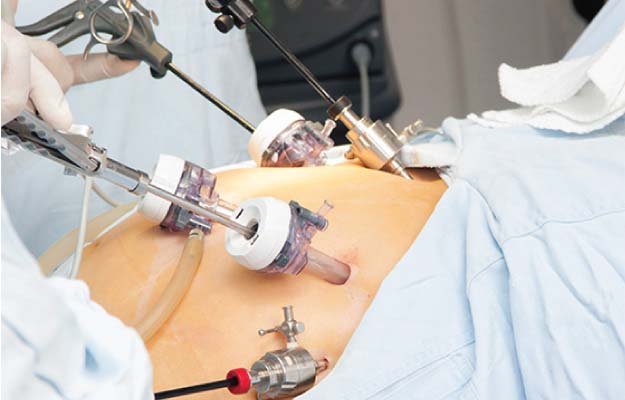
Modern bariatric surgery is generally considered safe when performed in appropriately selected patients by an experienced multidisciplinary team. Many procedures are performed using minimally invasive techniques, which may involve smaller incisions and can support recovery.
However, no surgery is completely risk-free.
Possible complications can vary depending on the procedure and individual health. They may include bleeding, infection, blood clots, leakage, reactions to anaesthesia, or digestive problems. Some complications may require additional treatment or, rarely, another procedure.
Discussing individual risks with the treating surgeon is therefore an important part of informed decision-making.
Potential Benefits of Bariatric Surgery
The benefits extend beyond weight loss. For eligible patients, significant weight reduction may help improve several obesity-related health problems.
Potential benefits may include:
Better Blood Sugar Control
Weight loss after bariatric surgery can improve blood sugar levels in people with type 2 diabetes. Some patients may require fewer diabetes medicines, although results vary.
Improved Blood Pressure
Reducing excess weight may help improve blood pressure and cardiovascular health.
Better Sleep
People with obesity-related obstructive sleep apnoea may experience improvement following significant weight loss.
Reduced Joint Stress
Losing excess weight can reduce pressure on weight-bearing joints and may improve mobility and physical activity.
Improved Quality of Life
Greater mobility, improved confidence, better sleep, and the ability to participate more comfortably in everyday activities can positively affect quality of life.
What Is Recovery Like?
Recovery depends on the type of procedure, the patient’s health, and the surgical approach.
After surgery, patients typically progress gradually from liquids to soft foods and then to a longer-term eating pattern according to their surgical team’s instructions.
Patients are usually encouraged to begin gentle movement early and gradually increase physical activity as recovery progresses.
Follow-up appointments are important because bariatric surgery changes how the body handles food and nutrients. Regular monitoring can help identify nutritional deficiencies and ensure that weight loss is progressing appropriately.
Life After Bariatric Surgery
Bariatric surgery is a tool, not a one-time solution. Long-term success depends heavily on lifestyle changes and regular follow-up.
Patients may need to:
- Follow portion-controlled eating habits
- Prioritise protein and nutrient-rich foods
- Take prescribed vitamin and mineral supplements
- Stay adequately hydrated
- Exercise regularly as advised
- Attend scheduled medical follow-ups
- Develop healthy strategies for managing emotional or stress-related eating
Following these recommendations can help maintain weight loss and reduce the risk of nutritional problems.
Choosing the Right Bariatric Surgeon
The safety and success of bariatric surgery depend on more than the surgical procedure itself. Patient selection, preoperative evaluation, surgical expertise, anaesthesia, postoperative monitoring, nutrition counselling, and long-term follow-up all play important roles.
When searching for the best bariatric surgeon in Kolkata, patients should look beyond advertisements or rankings. Consider the surgeon’s qualifications, experience with the proposed procedure, hospital facilities, multidisciplinary support, approach to patient counselling, and commitment to postoperative follow-up.
Patients should also feel comfortable asking questions and discussing their expectations openly.
Questions to Ask Before Bariatric Surgery
Before proceeding, patients may ask their surgeon:
- Which bariatric procedure is suitable for me and why?
- What are the possible risks and benefits?
- What tests are required before surgery?
- How long is the expected recovery?
- What will my diet look like after surgery?
- Will I need lifelong supplements?
- What follow-up care will I require?
- What lifestyle changes should I make before and after surgery?
Clear answers can help patients make an informed decision.
Final Thoughts
Bariatric surgery can be a valuable treatment option for appropriately selected people living with obesity, particularly when excess weight is affecting health and quality of life. While every surgical procedure carries potential risks, careful evaluation, experienced surgical care, and consistent long-term follow-up can help improve safety and outcomes.
If you are considering weight-loss surgery, speak with a qualified bariatric surgeon to understand whether it is appropriate for your individual health needs. The right treatment plan should focus not only on losing weight, but also on achieving better long-term health and maintaining sustainable lifestyle changes.