

Gallstones and Diet: Can Lifestyle Changes Prevent Gallstone Problems?
Gallstones are a common digestive problem that can affect people of different ages. Some people have gallstones without experiencing any symptoms, while others may develop sudden abdominal pain, nausea, vomiting, or discomfort after eating.
Diet and lifestyle cannot remove existing gallstones, but healthy habits may help support overall digestive health and, in some situations, reduce factors associated with gallstone formation. Understanding the relationship between food, weight, and gallbladder health can help people make better everyday choices.
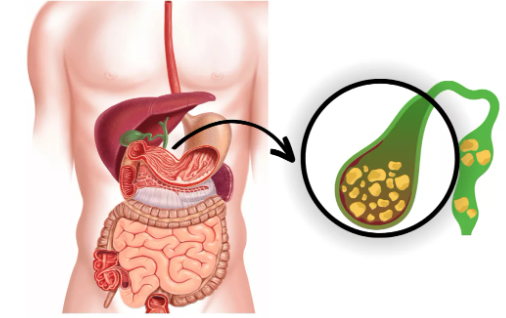
What Are Gallstones?
The gallbladder is a small, pear-shaped organ located beneath the liver. It stores bile, a digestive fluid that helps the body digest fats.
Gallstones are hardened deposits that can form inside the gallbladder. They can vary in size, from tiny particles to larger stones.
Some people have silent gallstones, meaning they do not experience symptoms. Treatment may not always be necessary for people who have gallstones without symptoms, although individual circumstances should be assessed by a doctor.
What Causes Gallstones?
Gallstones can develop for several reasons. Bile may contain an excess of cholesterol or other substances that can form crystals and gradually develop into stones.
Factors associated with a higher risk can include:
 Being overweight or having obesity
- Rapid weight loss
- Certain dietary patterns
- Family history of gallstones
- Increasing age
- Pregnancy and hormonal factors
- Certain medical conditions
- Some medications
Having one or more risk factors does not necessarily mean that a person will develop gallstones.
Can Diet Prevent Gallstones?
There is no specific food that can guarantee prevention of gallstones. However, maintaining a balanced diet and a healthy weight may support overall gallbladder and digestive health.
Choose More Fibre-Rich Foods
Fruits, vegetables, whole grains, pulses, and other fibre-rich foods can be part of a healthy eating pattern. Fibre supports digestive health and can help with maintaining a healthy weight.
Limit Excessively Fatty Foods
Very greasy or heavily fried meals can trigger discomfort in some people who already have gallbladder problems. Limiting fried foods, foods high in saturated fat, and excessive amounts of processed foods may be beneficial as part of a balanced diet.
This does not mean that all dietary fat needs to be eliminated. Healthy fats, when consumed in appropriate amounts, can be part of a nutritious diet.
Avoid Crash Diets
Rapid weight loss can increase the risk of gallstone formation. People trying to lose weight should generally aim for gradual, sustainable weight management rather than extreme dieting.
Stay Physically Active
Regular physical activity can help maintain a healthy weight and support overall metabolic health. Walking, cycling, swimming, or other age-appropriate activities can be incorporated into a regular routine.
What Foods Should You Be Careful With?
If you already experience gallbladder symptoms, certain foods may trigger discomfort. These can include:
- Deep-fried foods
- Very fatty meals
- Large portions
- Highly processed foods
- Foods containing excessive saturated fat
However, food triggers can differ between individuals. Keeping a simple food diary may help identify foods that seem to worsen symptoms.
What Are the Symptoms of Gallstones?
Many people with gallstones have no symptoms. When a stone blocks a bile duct, symptoms can occur.
Common symptoms may include:
- Sudden pain in the upper right or upper middle abdomen
- Pain after meals, particularly heavy or fatty meals
- Pain that may spread to the back or right shoulder
- Nausea or vomiting
- Indigestion or bloating
Severe or persistent abdominal pain should not simply be attributed to indigestion. Other digestive conditions can cause similar symptoms and may require medical assessment.
When Should You Seek Medical Attention?
Seek prompt medical care if abdominal pain is severe or persistent, particularly when it occurs with fever, repeated vomiting, yellowing of the eyes or skin, dark urine, or unusually pale stools.
These symptoms may indicate complications involving the gallbladder or bile ducts and should be evaluated without delay.
Can Lifestyle Changes Treat Existing Gallstones?
Lifestyle changes can support overall health, but they do not dissolve most existing gallstones.
If gallstones are causing repeated pain or complications, treatment may be necessary. Depending on the patient’s symptoms and condition, a surgeon may recommend surgical removal of the gallbladder, known as cholecystectomy.
For suitable patients, laparoscopic gallbladder surgery is commonly performed using small incisions.
When Should You Consult a Gallstone Specialist?
People experiencing repeated abdominal pain, digestive symptoms after meals, or a previous diagnosis of gallstones should discuss their condition with a qualified medical professional.
A Gall stone specialist in Kolkata can evaluate your symptoms, medical history, examination findings, and relevant investigations such as an abdominal ultrasound to determine the appropriate management.
It is important not to rely solely on dietary changes if gallstones are causing recurrent symptoms.
A Healthy Approach to Gallbladder Health
There is no guaranteed diet that can prevent every case of gallstones. However, maintaining a healthy weight, avoiding crash diets, eating a balanced diet rich in fibre, limiting excessive fried and fatty foods, and staying physically active are sensible habits for overall health.
If you already have gallstones, don’t assume that changing your diet alone will solve the problem. Persistent or recurrent symptoms deserve proper medical evaluation so that appropriate treatment can be recommended.
With timely diagnosis, healthy lifestyle habits, and appropriate medical or surgical care when required, gallstone-related problems can be managed effectively.