
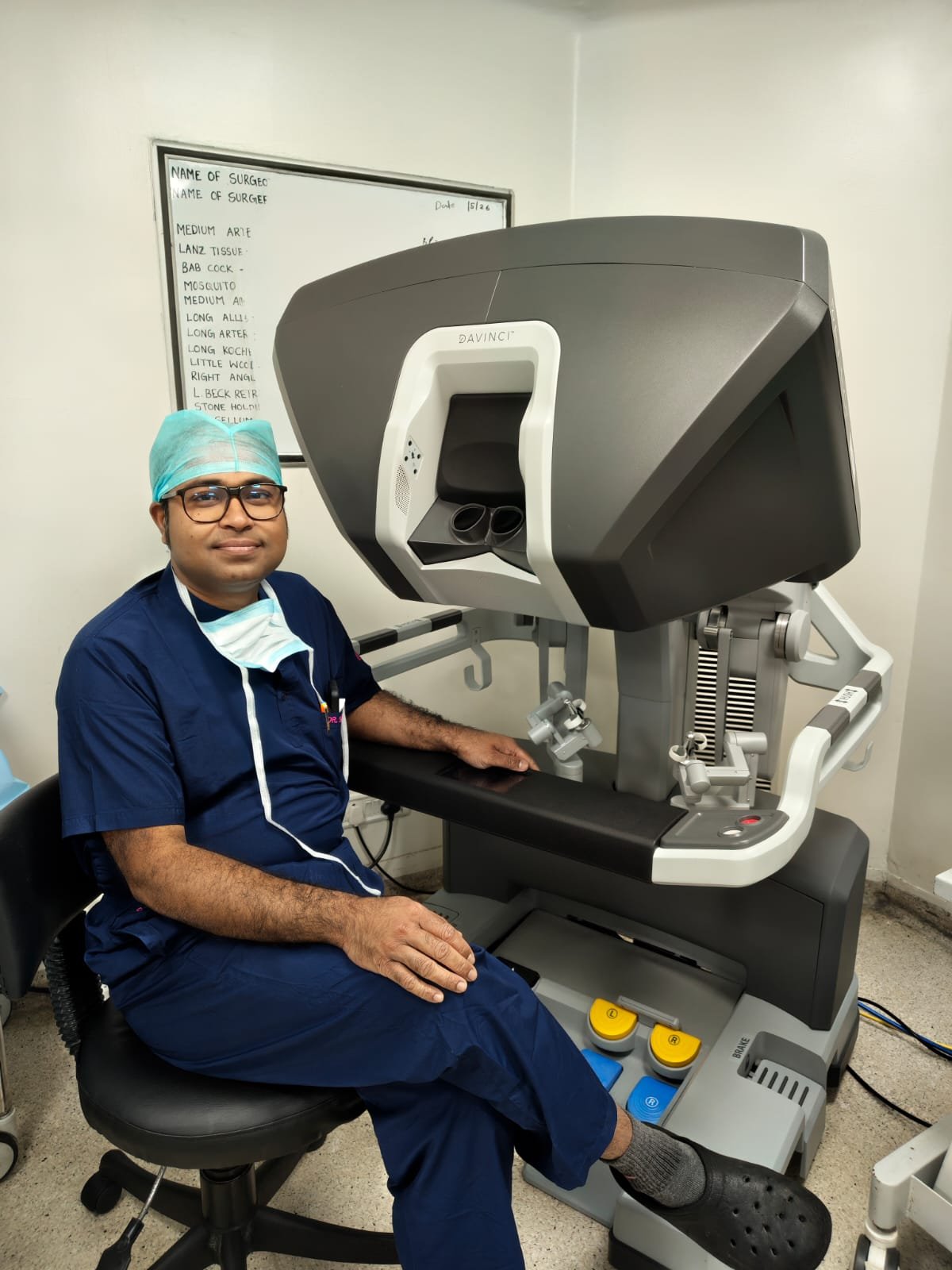
Can Bariatric Surgery Be Performed Robotically?
Bariatric surgery has become an important treatment option for people with severe obesity when lifestyle changes and other treatments have not provided sufficient results. As surgical technology continues to advance, patients may now have access to minimally invasive approaches that can make certain complex procedures more precise and controlled.
One question patients often ask is: Can bariatric surgery be performed robotically? The answer is yes. Selected bariatric procedures can be performed with the assistance of a robotic surgical system. However, robotic surgery is not suitable for every patient or every procedure, and the decision should always be made after an individual assessment by an experienced surgeon.
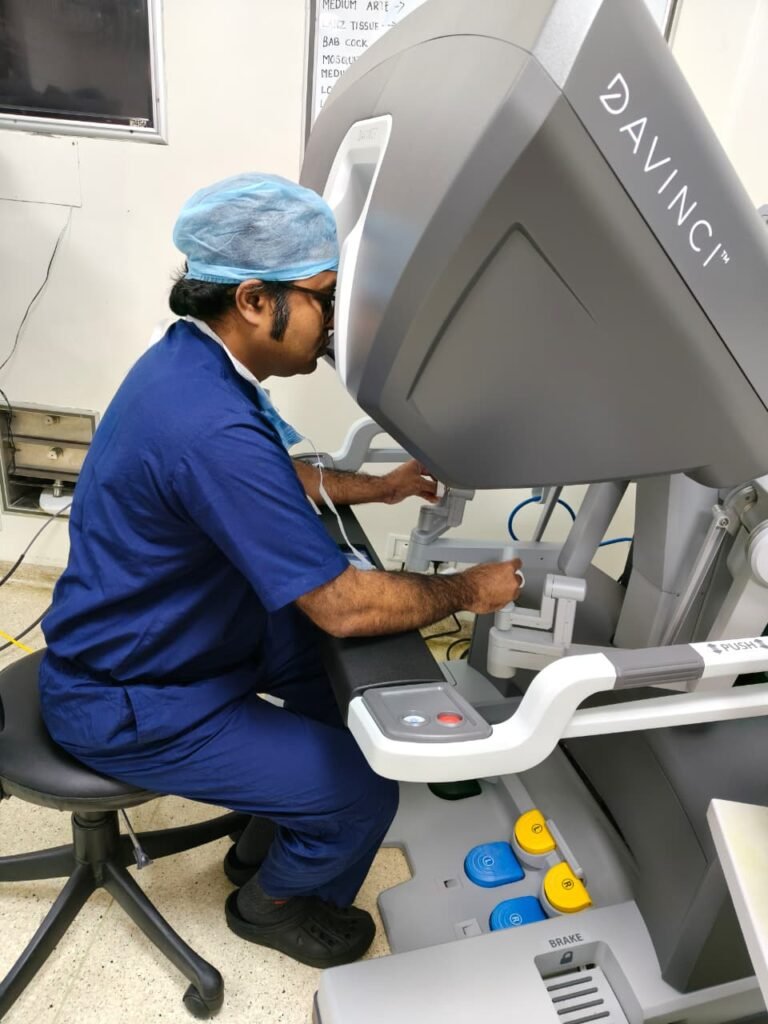
What Is Robotic Bariatric Surgery?
Robotic bariatric surgery is a minimally invasive approach in which the surgeon uses a robotic surgical system to perform a weight-loss procedure through small incisions.
The surgeon sits at a specialised console and controls the surgical instruments. A high-definition camera provides an enlarged view of the operating area, while the robotic instruments can offer enhanced flexibility and precise movement.
Importantly, the robot does not perform the operation independently. The surgeon remains in complete control of the procedure and uses the robotic system as an advanced surgical tool.
Which Bariatric Procedures Can Be Performed Robotically?
Several bariatric procedures may be performed using robotic assistance, depending on the patient’s condition, the surgeon’s expertise and the available technology.
These may include:
 Sleeve gastrectomy
- Gastric bypass
- Revisional bariatric surgery
- Selected complex procedures involving the upper gastrointestinal tract
Not every bariatric operation requires robotic assistance. In many situations, conventional laparoscopic surgery remains an effective minimally invasive option.
Why Consider Robotic Bariatric Surgery?
Robotic technology can provide certain technical advantages during selected bariatric procedures. One important feature is enhanced visualisation of the surgical field. The three-dimensional, magnified view can help the surgeon identify anatomical structures more clearly.
Robotic instruments may also provide greater flexibility than conventional laparoscopic instruments. This can be helpful during delicate dissection and suturing, particularly in technically demanding procedures.
For selected patients, potential advantages of a robotic approach may include:
- Small surgical incisions
- Enhanced visualisation
- Greater instrument flexibility
- Precise tissue handling and suturing
- Reduced tissue trauma compared with open surgery
- Potentially shorter hospitalisation
- Faster recovery in appropriately selected cases
However, the actual benefits vary according to the procedure, the patient’s health and other individual factors.
Is Robotic Bariatric Surgery Better Than Laparoscopic Surgery?
Not necessarily.
Both robotic and laparoscopic surgery are minimally invasive approaches, and both can be effective for bariatric procedures. Robotic surgery offers additional technological features, but that does not automatically mean it is the right choice for every patient.
The surgeon may consider factors such as the patient’s body weight, previous abdominal surgery, medical conditions, anatomy, type of bariatric procedure and surgical complexity before recommending an approach.
In some cases, conventional laparoscopy may be the most practical and appropriate option. In other complex or revisional procedures, robotic assistance may offer useful advantages.
Who May Be a Candidate for Bariatric Surgery?
Bariatric surgery is generally considered for people with significant obesity when appropriate non-surgical measures have not achieved adequate results. Eligibility depends on several factors, including body mass index, obesity-related health conditions, previous treatment attempts and overall health.
Conditions such as type 2 diabetes, high blood pressure, sleep-related breathing disorders and other obesity-associated problems may also be considered during the evaluation.
However, bariatric surgery is not simply a cosmetic procedure. It is a significant medical treatment that requires careful assessment, preparation and long-term follow-up.
What Should Patients Expect Before Surgery?
Before undergoing robotic bariatric surgery, patients usually undergo a comprehensive evaluation. This may include medical assessment, nutritional counselling and investigations based on their individual health profile.
Patients may also receive guidance about diet, physical activity, medications and lifestyle changes. Understanding the long-term dietary and lifestyle requirements is an important part of preparing for bariatric surgery.
After surgery, regular follow-up and adherence to nutritional recommendations are essential for maintaining healthy weight loss and preventing nutritional deficiencies.
Choosing the Right Bariatric Surgeon
Robotic technology is only one part of modern bariatric care. The surgeon’s experience, patient selection, surgical planning and postoperative management are equally important.
An experienced surgeon can explain whether robotic or laparoscopic surgery is more appropriate and discuss the expected benefits, possible risks and alternatives before treatment.
Patients should feel comfortable asking questions about the surgeon’s experience with bariatric procedures, the recommended surgical technique, recovery period and long-term follow-up.
Robotic Bariatric Surgery in Kolkata with Dr. Sumantra Ray
For individuals exploring Robotic Bariatric Surgery in Kolkata, Dr. Sumantra Ray provides specialised surgical care in advanced laparoscopic and robotic surgery, including gastrointestinal and hepatopancreatobiliary procedures.
Every patient has different medical needs, and robotic surgery may not be necessary or suitable in every case. A detailed consultation can help determine whether bariatric surgery is appropriate and whether a robotic approach could be beneficial.
If you are considering weight-loss surgery, consulting an experienced surgeon can help you understand the available options and take the next step with greater confidence.