

Understanding Weight Regain After Bariatric Surgery: Causes and Solutions
Weight loss surgery has transformed the lives of countless people struggling with obesity. However, some patients experience weight regain months or years after surgery, leaving them disappointed and concerned. While this situation can be frustrating, it is important to understand that weight regain after bariatric surgery is not uncommon and, in many cases, can be managed successfully with the right guidance.
If you are considering bariatric surgery in Kolkata or have already undergone the procedure, understanding why weight regain happens and how to prevent it can help you achieve long-term success.
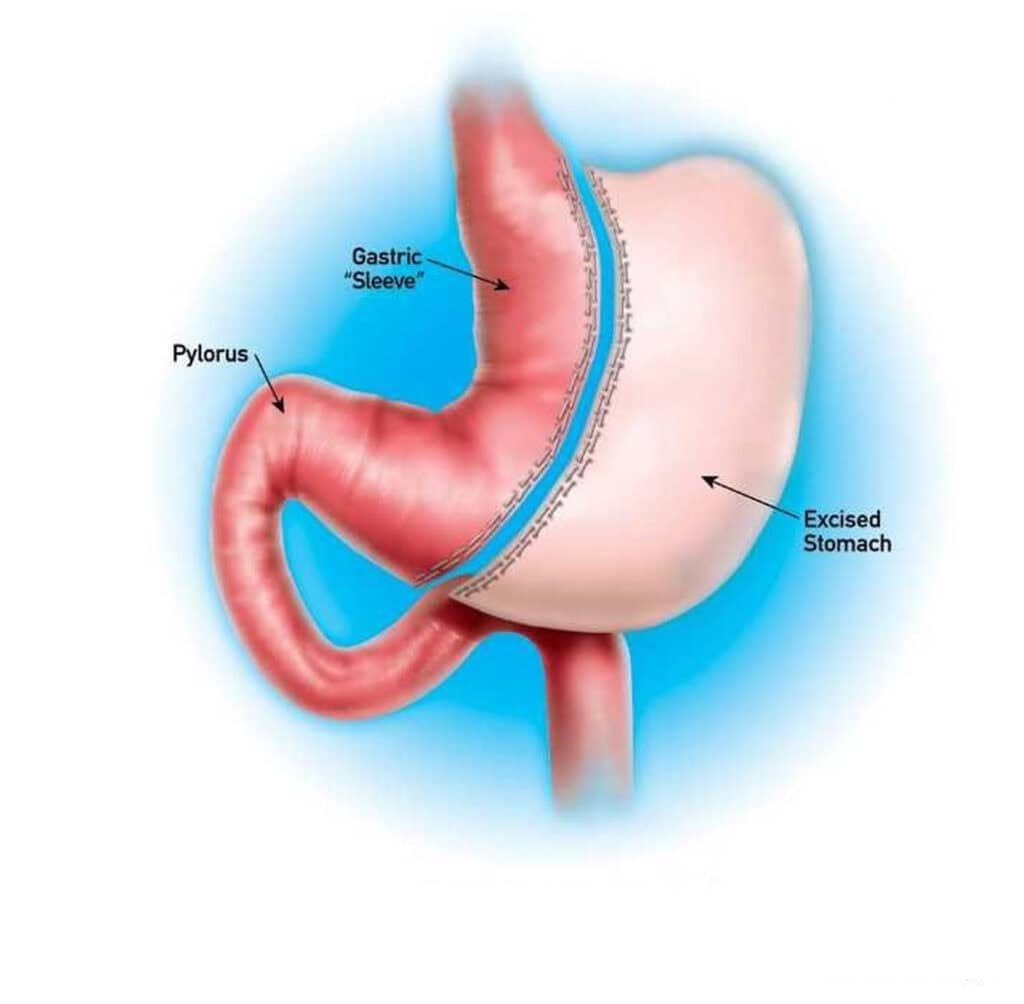
Is Weight Regain After Bariatric Surgery Normal?
Yes, a certain amount of weight regain is considered normal. Most patients lose the maximum amount of weight within 12 to 18 months after surgery. After reaching this point, regaining around 5–10% of the lost weight may occur naturally as the body adapts.
However, significant or continuous weight gain should not be ignored. Identifying the underlying cause early allows timely intervention and better long-term outcomes.
Common Causes of Weight Regain
1. Returning to Unhealthy Eating Habits
One of the most common reasons for weight regain is gradually slipping back into unhealthy eating patterns. Frequent snacking, consuming sugary beverages, processed foods, or oversized portions can increase calorie intake despite having a smaller stomach.
Mindless eating, emotional eating, and eating out frequently may also contribute to unwanted weight gain.
2. Lack of Regular Physical Activity
Bariatric surgery is a powerful tool, but it cannot replace an active lifestyle. Patients who stop exercising after the initial weight loss phase often experience slower metabolism and gradual weight regain.
Regular physical activity helps maintain muscle mass, burn calories, and improve overall health.
3. Stretching of the Stomach Pouch
Over time, the stomach pouch created during surgery may expand slightly. While this is often a normal adaptation, repeatedly overeating can stretch the pouch further, allowing larger meal portions and increased calorie intake.
4. Emotional and Psychological Factors
Stress, anxiety, depression, and emotional eating can significantly affect long-term weight management. Many individuals previously used food as a coping mechanism, and these habits may return if emotional health is not addressed.
Counselling or behavioural therapy can play a valuable role in maintaining healthy lifestyle changes.
5. Hormonal and Metabolic Changes
Hormones that regulate hunger and fullness may change over time. Certain medical conditions such as hypothyroidism, insulin resistance, or medications like steroids can also contribute to weight regain.
Regular follow-up with your bariatric specialist helps identify and manage these factors.
6. Lack of Follow-Up Care
Many patients stop attending routine follow-up appointments once they achieve significant weight loss. Unfortunately, this reduces opportunities to detect nutritional deficiencies, dietary mistakes, or behavioural issues before they become serious.
Long-term follow-up is essential for sustained success.
Warning Signs You Should Not Ignore
Contact your bariatric surgeon if you notice:
 Rapid or continuous weight gain
- Increased hunger shortly after meals
- Difficulty following dietary recommendations
- Frequent overeating or binge eating
- Reduced physical activity due to fatigue or joint pain
Early evaluation often prevents further weight regain.
Effective Solutions for Managing Weight Regain
Follow a Balanced, Protein-Rich Diet
Protein should remain the foundation of every meal after bariatric surgery. Lean meats, eggs, fish, dairy products, lentils, and legumes help maintain muscle mass while promoting fullness.
Patients should also:
- Eat slowly and chew food thoroughly.
- Avoid sugary snacks and beverages.
- Limit processed and high-fat foods.
- Stay well hydrated throughout the day.
Resume Regular Exercise
Aim for at least 150 minutes of moderate physical activity every week. Walking, cycling, swimming, yoga, and strength training are excellent options.
Exercise not only supports weight maintenance but also improves heart health, mood, and energy levels.
Address Emotional Eating
If stress or emotions trigger overeating, seek professional support. Psychologists, dietitians, and bariatric support groups can provide practical strategies to build healthier coping mechanisms.
Regular Nutritional Counselling
Meeting with a registered dietitian helps identify hidden dietary habits that may contribute to weight regain. Small adjustments often produce significant improvements.
Medical Evaluation
Sometimes weight regain occurs due to hormonal disorders or changes in the surgical anatomy. Your bariatric surgeon may recommend blood tests, imaging, or endoscopy to determine the cause.
In selected cases, medications or revisional bariatric procedures may be considered.
Can Weight Regain Be Prevented?
While no treatment guarantees permanent weight loss without effort, patients who follow healthy lifestyle habits have a much higher chance of maintaining their results.
Long-term success depends on:
- Consistent healthy eating
- Regular exercise
- Routine follow-up appointments
- Adequate sleep
- Stress management
- Lifelong commitment to lifestyle changes
Remember, bariatric surgery is a lifelong partnership between the patient and the healthcare team.
Why Choose an Experienced Bariatric Surgeon?
The success of bariatric surgery in Kolkata depends not only on the surgical procedure but also on comprehensive pre-operative evaluation, patient education, nutritional guidance, and long-term follow-up care.
An experienced bariatric surgeon ensures that every patient receives personalized treatment, continuous monitoring, and timely intervention whenever challenges arise during the weight loss journey.
Conclusion
Weight regain after bariatric surgery does not mean the procedure has failed. It is a common challenge that can often be corrected through early intervention, healthier habits, and expert medical guidance. Understanding the causes and taking proactive steps can help patients maintain their weight loss and enjoy lasting health benefits.
If you are considering bariatric surgery in Kolkata or need expert advice after your weight loss surgery, consulting an experienced bariatric specialist can help you stay on track and achieve sustainable, long-term results.