
Can Exercise Cause a Hernia? Understanding the Risks
Exercise is one of the best ways to stay healthy, improve strength, and maintain an ideal body weight. However, many people worry that lifting weights or performing strenuous workouts can lead to a hernia. While intense physical activity can sometimes trigger the appearance of a hernia, exercise itself is rarely the sole cause. Understanding how hernias develop and how to exercise safely can help reduce your risk.
If you are looking for the best hernia surgeon in Kolkata, it is essential to understand the causes, warning signs, and treatment options for hernias.
What Is a Hernia?
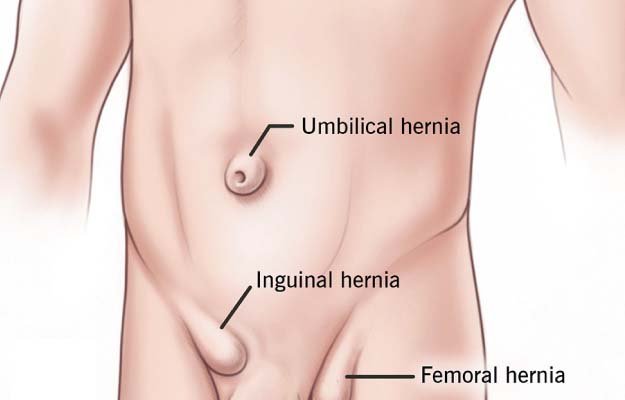
A hernia occurs when an internal organ or fatty tissue pushes through a weak spot in the surrounding muscle or connective tissue. The most common types include:
 Inguinal hernia (groin)
- Femoral hernia
- Umbilical hernia (near the belly button)
- Incisional hernia (at the site of previous surgery)
- Hiatal hernia (upper stomach through the diaphragm)
Although hernias can occur in anyone, they are more common in men, older adults, individuals with obesity, and those with weakened abdominal muscles.
Can Exercise Actually Cause a Hernia?
The simple answer is not usually.
Exercise alone does not create a hernia if the abdominal wall is healthy. In most cases, a hernia develops because a person already has a weak area in the abdominal muscles, either from birth or due to factors such as ageing, previous surgery, obesity, or chronic medical conditions.
Strenuous exercise or heavy lifting may increase pressure inside the abdomen, causing an existing weakness to become noticeable. In other words, exercise often reveals a hernia rather than directly causing it.
Exercises That May Increase the Risk
Certain activities can place excessive strain on the abdominal wall, especially when performed with improper technique.
These include:
- Heavy weightlifting
- Deadlifts and squats with excessive weight
- High-intensity resistance training
- Sudden twisting movements
- Improper breathing while lifting heavy objects
- Repetitive heavy manual labour
Holding your breath during lifting (known as the Valsalva manoeuvre) significantly increases abdominal pressure and may contribute to hernia formation in susceptible individuals.
Other Risk Factors
Several factors make some people more likely to develop a hernia:
- Family history of hernias
- Obesity
- Chronic coughing
- Constipation and frequent straining during bowel movements
- Pregnancy
- Smoking, which weakens connective tissues
- Previous abdominal surgery
- Age-related muscle weakness
Exercise combined with one or more of these factors may increase the likelihood of developing symptoms.
Warning Signs of a Hernia
Early diagnosis can prevent complications. You should consult a specialist if you notice:
- A visible or palpable bulge in the groin or abdomen
- Pain or discomfort during lifting, coughing, or bending
- A feeling of heaviness or pressure in the affected area
- Burning or aching sensation around the swelling
- Swelling that becomes more noticeable after physical activity
Seek immediate medical attention if the swelling becomes painful, hard, or cannot be pushed back, or if it is associated with nausea and vomiting. These may indicate a strangulated hernia, which requires emergency surgery.
Can You Exercise with a Hernia?
The answer depends on the size and severity of the hernia.
Some patients with small, uncomplicated hernias may continue light physical activity under medical guidance. Walking, gentle stretching, and low-impact exercises are generally safer than heavy lifting.
However, exercises that significantly increase abdominal pressure should be avoided until a surgeon evaluates the condition.
Never ignore persistent pain or continue strenuous workouts if you suspect a hernia.
How to Reduce Your Risk
While not every hernia can be prevented, these simple measures can lower your risk:
- Learn proper lifting techniques.
- Avoid lifting weights beyond your capacity.
- Exhale while lifting instead of holding your breath.
- Maintain a healthy body weight.
- Strengthen your core muscles gradually.
- Treat chronic cough and constipation promptly.
- Stop smoking to improve tissue strength.
- Allow adequate recovery after abdominal surgery before returning to exercise.
When Is Surgery Necessary?
Unlike muscle strains, hernias do not heal on their own. Once a hernia develops, surgery is the only definitive treatment.
Modern hernia repair techniques, including laparoscopic and minimally invasive surgery, offer several advantages:
- Smaller incisions
- Less post-operative pain
- Faster recovery
- Reduced hospital stay
- Earlier return to daily activities
- Lower risk of recurrence when performed by an experienced surgeon
The choice of procedure depends on the type, size, and location of the hernia, along with the patient’s overall health.
Why Choosing the Right Surgeon Matters
Successful hernia treatment depends not only on the surgical technique but also on accurate diagnosis, careful planning, and comprehensive post-operative care. If you are searching for the best hernia surgeon in Kolkata, choose a specialist with extensive experience in both open and laparoscopic hernia repair to ensure optimal outcomes and a smooth recovery.
Conclusion
Exercise is an important part of a healthy lifestyle and should not be avoided out of fear of developing a hernia. In most cases, exercise does not directly cause a hernia but may expose an existing weakness in the abdominal wall. Practising proper lifting techniques, maintaining a healthy weight, and seeking medical advice for persistent symptoms can significantly reduce the risk of complications.
If you notice a swelling, discomfort, or pain during physical activity, early consultation with an experienced hernia specialist can lead to timely diagnosis and effective treatment.