

Hernia Surgery in Kolkata: When Is Surgery Necessary?
A hernia can begin as a small, painless swelling that may seem harmless. Some people notice a bulge in the abdomen or groin while standing, coughing, lifting something heavy, or straining. Others may experience discomfort or pain during everyday activities.
Because hernias can vary considerably in size and symptoms, many patients wonder whether every hernia requires surgery. The answer depends on the type of hernia, its symptoms, overall health, and the risk of complications.
Understanding when surgery may be recommended can help patients make informed decisions about their treatment.
What Is a Hernia?
A hernia occurs when an internal organ or tissue pushes through a weakened area in the surrounding muscle or connective tissue. It commonly develops in the abdominal wall or groin.
Some common types include:
 Inguinal hernia: Occurs in the groin and is particularly common in men.
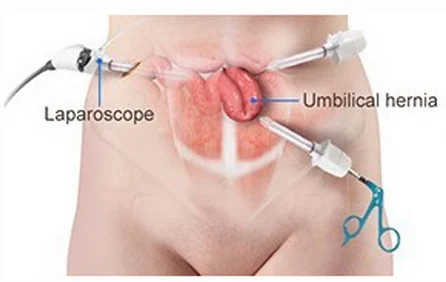
- Umbilical hernia: Develops around the belly button.
- Incisional hernia: May occur through or near a previous surgical incision.
- Femoral hernia: Develops in the upper thigh or groin and is more common in women.
A hernia may appear as a soft bulge that becomes more noticeable when standing, coughing, or straining.
Does Every Hernia Need Surgery?
Not necessarily.
Some small hernias may cause little or no discomfort and can sometimes be monitored by a doctor, depending on the type and individual circumstances. However, a hernia generally does not repair itself permanently because the underlying weakness in the abdominal wall remains.
Surgery may become appropriate if the hernia is causing symptoms, increasing in size, interfering with daily activities, or creating a significant risk of complications.
When Is Hernia Surgery Usually Recommended?
1. Persistent Pain or Discomfort
Pain, heaviness, pulling, or discomfort around the hernia may indicate that treatment should be considered, particularly if symptoms interfere with walking, working, exercising, or other daily activities.
2. Increasing Size
A hernia that gradually becomes larger may become more difficult to manage. Increasing size can also make everyday activities uncomfortable.
3. Difficulty Performing Normal Activities
If coughing, lifting, exercising, or prolonged standing regularly causes discomfort because of the hernia, surgical repair may be discussed.
4. Complications
One of the most important reasons for urgent surgery is when the hernia becomes trapped or its blood supply is affected.
A strangulated hernia can compromise the blood supply to the trapped tissue and is a medical emergency.
Warning Signs That Need Urgent Attention
A person with a known hernia should seek immediate medical attention if they develop:
- Sudden or severe abdominal or groin pain
- A hernia bulge that becomes very painful or firm
- A bulge that can no longer be pushed back when it previously could
- Persistent vomiting
- Abdominal swelling
- Difficulty passing stool or gas
- Fever along with significant abdominal symptoms
These signs may indicate obstruction or strangulation and should not be ignored.
What Happens During Hernia Surgery?
The goal of hernia surgery is to return the displaced tissue to its proper position and strengthen the weakened area of the abdominal wall.
Depending on the type and size of the hernia, surgery may be performed through an open approach or using minimally invasive techniques such as laparoscopic or robotic-assisted surgery.
A surgical mesh may be used in many hernia repairs to reinforce the weakened abdominal wall and reduce the risk of recurrence. The choice of technique and whether mesh is appropriate depends on the individual case.
How Long Does Recovery Take?
Recovery varies depending on the type of hernia, surgical technique, overall health, and nature of the patient’s work.
Many people can gradually return to normal daily activities relatively soon after minimally invasive hernia repair, while strenuous exercise and heavy lifting may need to be avoided for a period recommended by the surgeon.
Following postoperative instructions is important for proper healing.
Can a Hernia Be Managed Without Surgery?
For selected patients with small, minimally symptomatic hernias, a doctor may recommend observation rather than immediate surgery.
However, patients should not attempt to treat a hernia themselves or rely on abdominal belts as a permanent solution without medical advice. A supportive belt may sometimes be recommended temporarily in specific situations, but it does not repair the underlying defect.
Maintaining a healthy weight, avoiding constipation, stopping smoking, and using proper lifting techniques may help reduce strain on the abdominal wall, but these measures cannot permanently close an existing hernia.
Choosing the Right Hernia Surgeon
The decision to undergo surgery should be based on an individual assessment rather than simply the presence of a hernia.
A consultation with an experienced Hernia doctor in Kolkata can help determine the type of hernia, assess its symptoms and risks, and discuss whether observation or surgical repair is appropriate.
Patients should feel comfortable asking about the recommended surgical approach, possible risks, recovery time, recurrence risk, and whether minimally invasive surgery is suitable for their condition.
Final Thoughts
Not every hernia requires immediate surgery, but a symptomatic or progressively enlarging hernia should not be ignored. Early medical evaluation allows patients to understand their options and identify potential complications before they become emergencies.
If you notice a new abdominal or groin bulge, especially one associated with pain or changes in size, consult a qualified surgeon for proper evaluation. With appropriate diagnosis and treatment, most hernias can be managed effectively and safely.